 Choose county
 Agder
Agder Akershus
 Buskerud
 Finnmark
 Innlandet
 Møre og Romsdal
 Nordland
 Oslo
Oslo Rogaland
 Telemark
 Troms
Troms Trøndelag
 Vestfold
 Vestland
You learn
- handicraft techniques
- about different materials
- about sustainable design and product development
- about sketches and production blueprints
- handicrafts and cultural history

Crafts, design and product development suits you if you like making things by hand and turning ideas into finished products. You will work in a practical way with different materials, tools, and techniques, and learn how shape, function, and design are connected. You will test different solutions, work on tasks based on real situations, and make products for different needs and customers. This programme is ideal if you are creative, precise, and like making things that other people can use or enjoy.


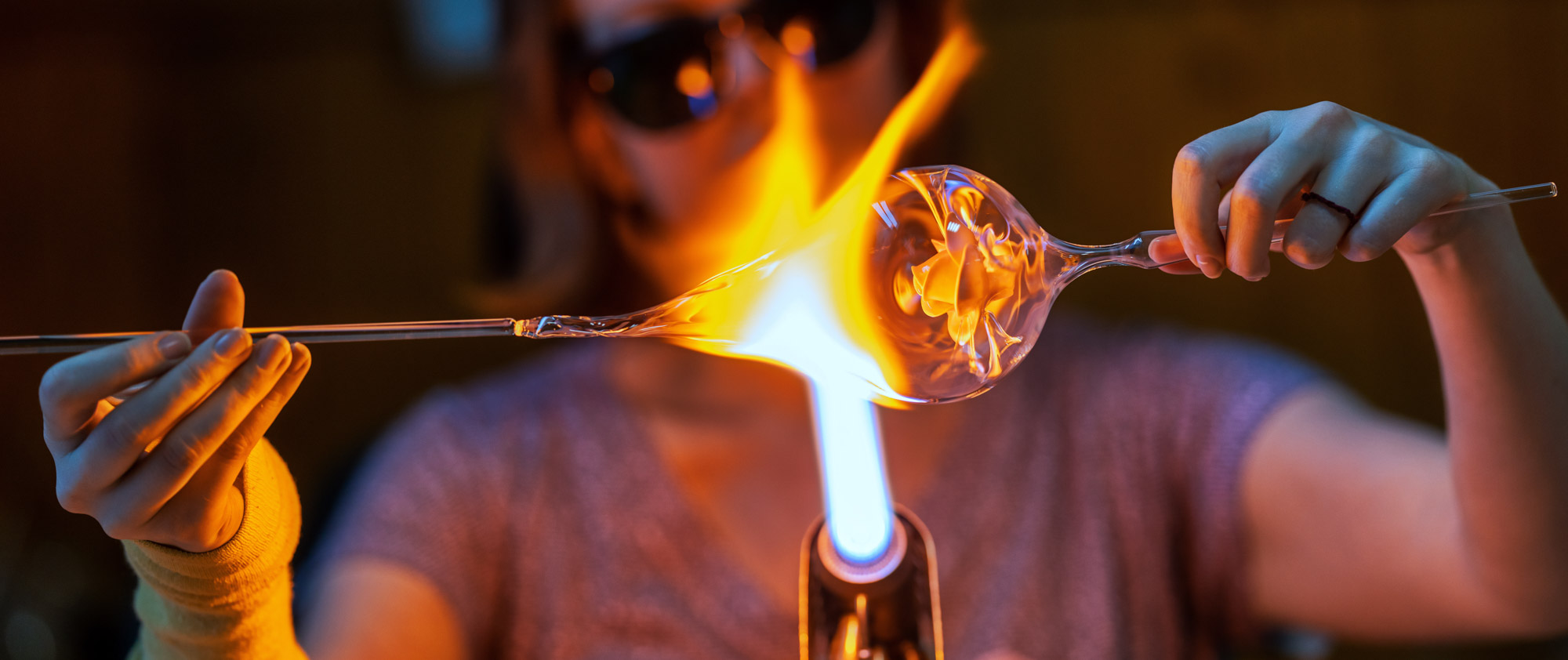

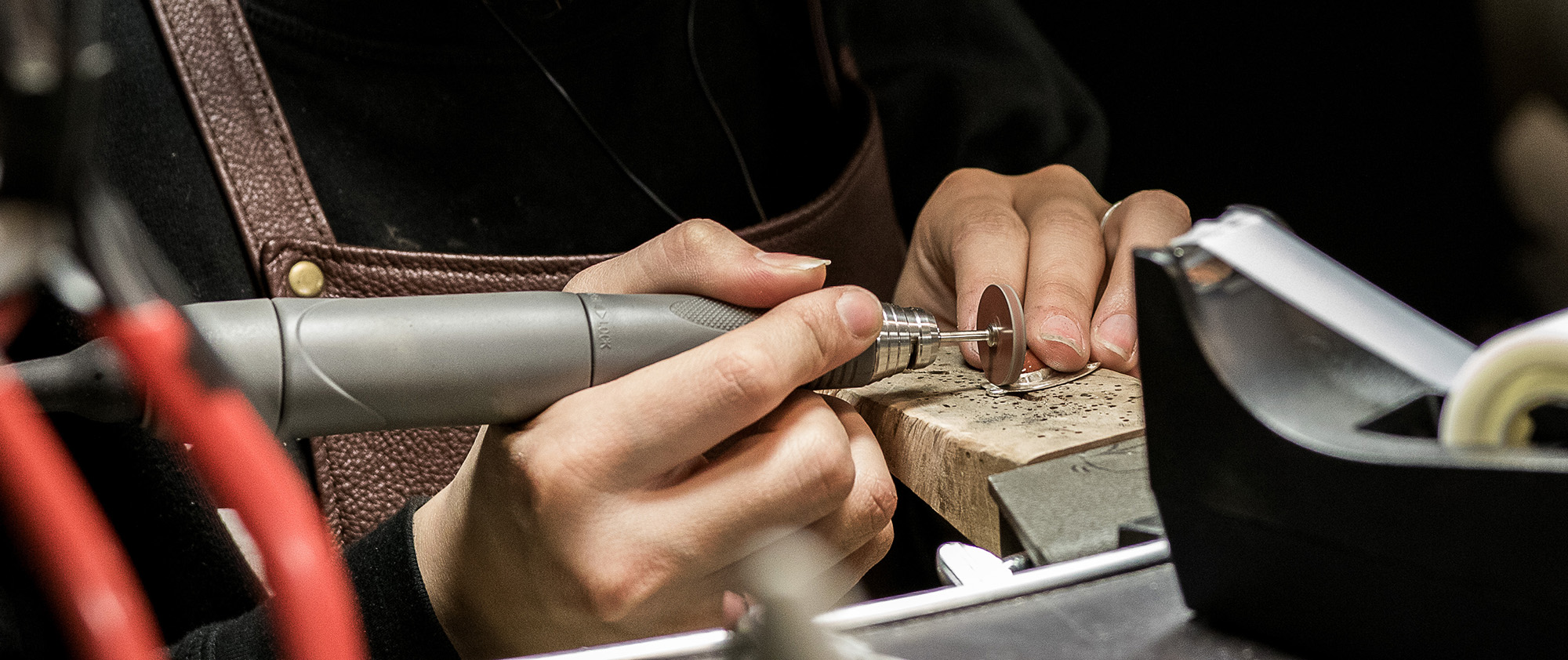
a watchmaker, a goldsmith or a silversmith
a dressmaker, a costume maker, a national costume maker
a cabinetmaker, a woodcarver or an organ builder
a potter, a shoemaker or a blacksmith
Relevant workplaces
You can take further education at a tertiary vocational college. A tertiary vocational education is a short vocational further education meant for those who have taken vocational education and training.
You can take the master certificate examination if you have the trade or journeyman’s certificate in a trade that comes under the master craftsman’s programme, and have sufficient experience. The master course of studies qualifies you for a management or middle-management position within your trade area, and gives you the competence to start up your own company.
You can take a Vg3 supplementary programme for general university admissions certification – after Vg2 or – after achieving vocational competence. You will then have the option to take higher education at a university college or university. Remember that some study programmes, such as for instance engineering, science and medical studies, require you to have certain science subjects.
You can also apply for admission to higher education after a preliminary course or by the Y-path, the vocational pathway to higher education. The Y-path is intended for those with relevant vocational experience. Preliminary courses and the Y-path are most commonly used for science and engineering studies.