 Choose county
 Agder
Agder Akershus
 Buskerud
 Finnmark
 Innlandet
 Møre og Romsdal
 Nordland
 Oslo
Oslo Rogaland
 Telemark
 Troms
Troms Trøndelag
 Vestfold
 Østfold
You learn
- producing and erecting new buildings and facilities
- renovating and maintaining buildings and facilities
- climate and technology
- using drawings, descriptions and calculations
- quality and safety
- knowledge about materials

Building and construction is for students who want to work hands-on with buildings, roads and other types of infrastructure. You learn how to plan work, read drawings and instructions, measure and build different structures. You will use machines, tools, materials and digital tools in practical projects. The programme also teaches you how to work safely, choose materials with care for the environment and document the work you do.

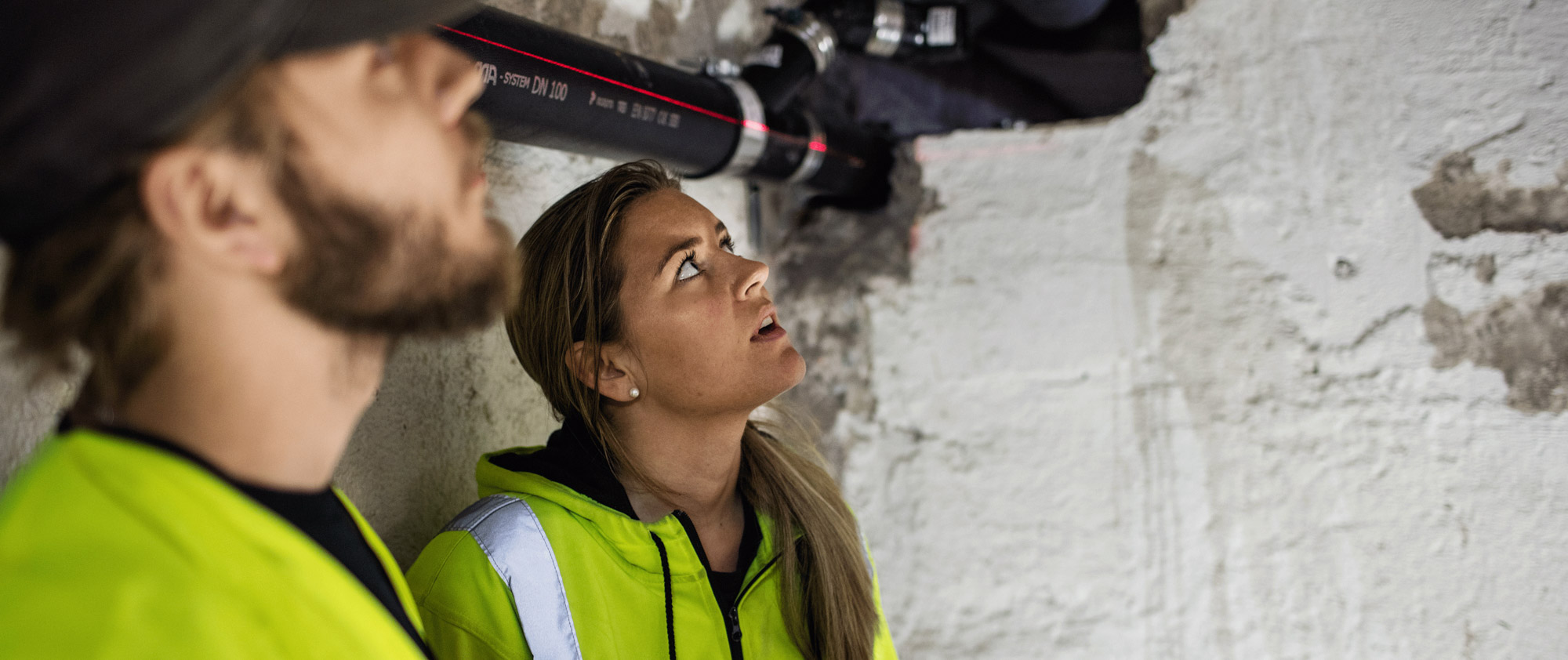
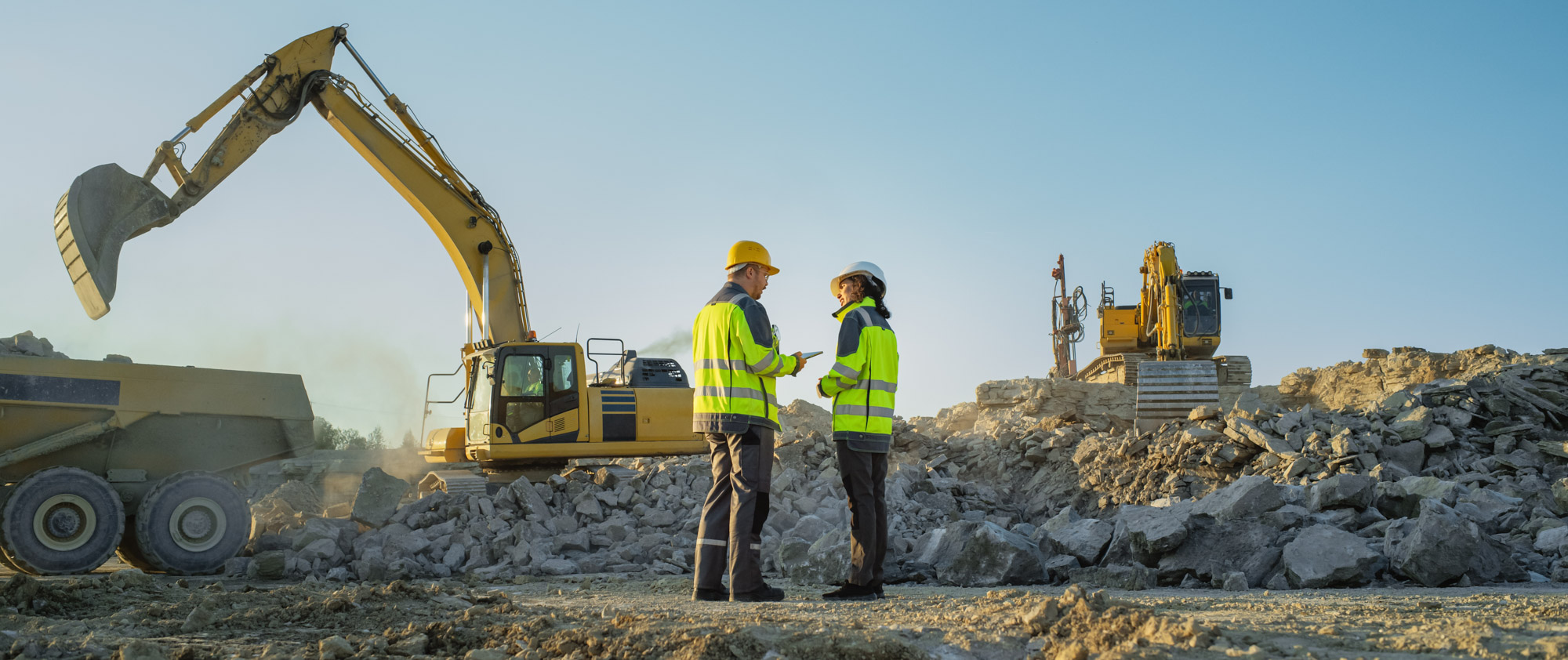
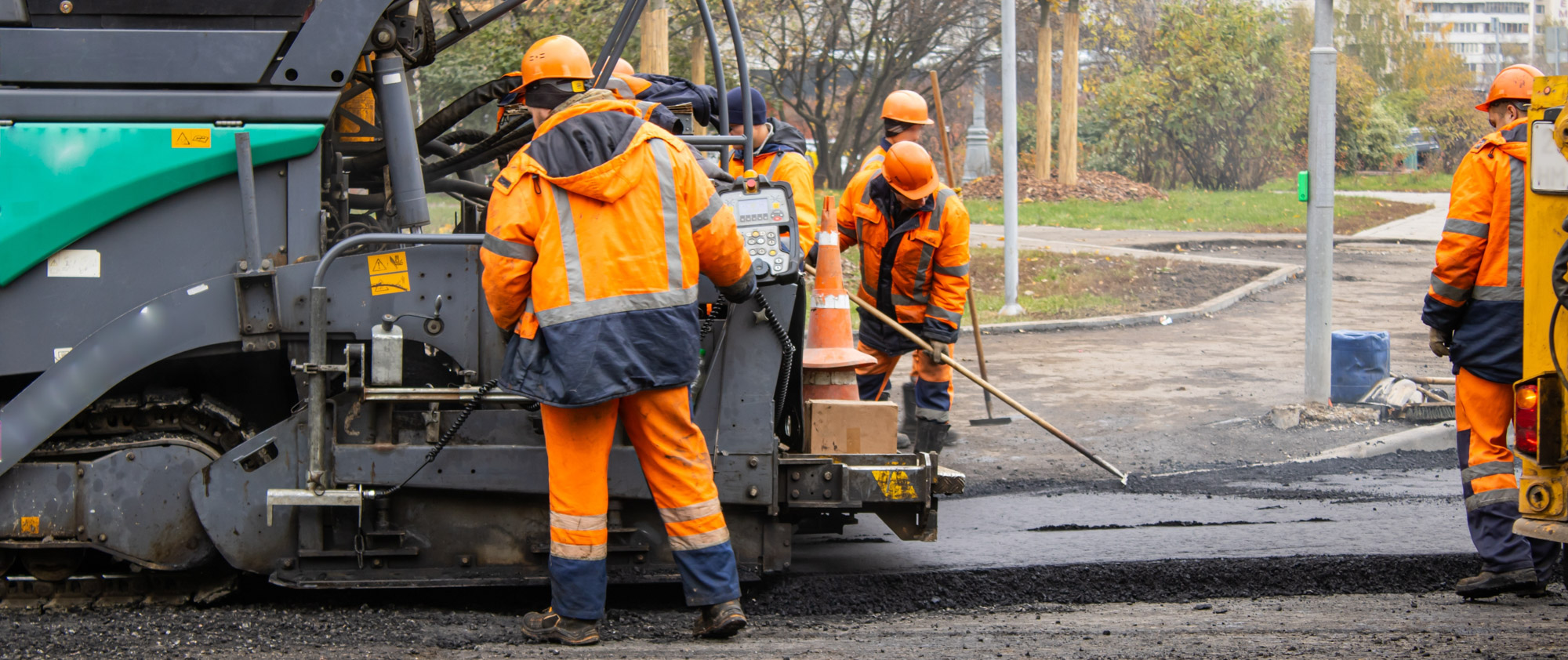
a road and construction worker or an asphalter
a landscaper, a gardener or a construction machinery operator
a painter, a bricklayer, a carpenter or a plumber
a scaffolder, a roofer or a tinsmith
a wood products carpenter or a glazier
Relevant workplaces
Higher vocational education is a practical form of tertiary education for people with vocational qualifications or relevant work experience. The programmes are closely connected to working life and focus on the skills employers need. You gain formal qualifications that can lead to more responsibility at work, specialised expertise and new career opportunities within your field.
A master craftsperson qualification is for people who have a trade or journeyman’s certificate in an approved craft and enough professional experience. It gives you skills in business management, finance and regulations, and is relevant if you want to run your own craft business or take on professional leadership responsibility. “Master craftsperson” is a protected title.
You can take the Vg3 supplementary programme after Vg2 vocational education, or after you have gained vocational competence. This gives you the general qualifications you need to apply for higher education. Some study programmes require specific science subjects. This applies, for example, to many studies in medicine, engineering and science.
You can also apply for admission to higher education after a preliminary course or by the Y-path, the vocational pathway to higher education. The Y-path is intended for those with relevant vocational experience. Preliminary courses and the Y-path are most commonly used for science and engineering studies.